Context you can inspect
Relevant papers, protocols, prior data, goals, and assumptions can be gathered around the question at hand. Source-backed outputs retain links to the documents and excerpts that informed them.
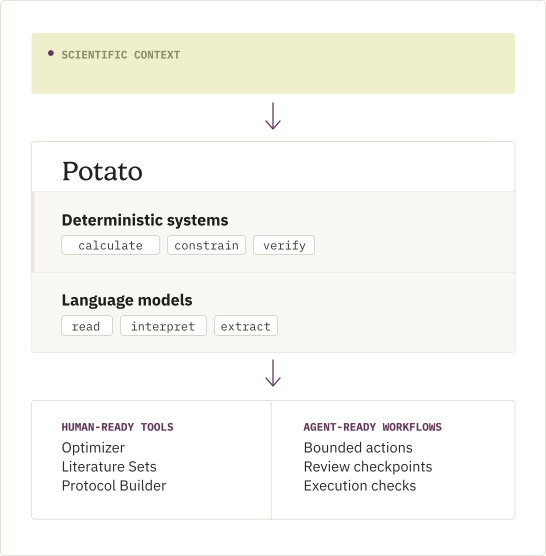
Potato turns scientific context into structured models that can support experiment design, execution, and the next decision.
 Increase the growth rate of these cells
This technical foundation creates the structure future agents will need to participate in more of the workflow safely and usefully.
Potato builds tools to interpret papers, protocols and assay constraints, organize context, and identify the decisions that need to be made.
Relevant papers, protocols, prior data, goals, and assumptions can be gathered around the question at hand. Source-backed outputs retain links to the documents and excerpts that informed them.
Users can correct assumptions, approve ranges, specify objectives, add laboratory constraints, and override recommendations when experience or local knowledge should govern the decision.
Potato presents relevant experimental modes, metrics, units, ranges, controls, and decision points rather than requiring the user to invent the right prompt from scratch.
Language-model outputs are requested in defined scientific structures with allowable fields and values. This reduces ambiguity and gives downstream systems something they can calculate, verify, and execute.
Potato uses language models where scientific meaning has to be interpreted: papers, protocols, goals, assumptions, and user inputs. The parts that need exactness, such as quantitative metrics are handled by deterministic mathematical algorithms.
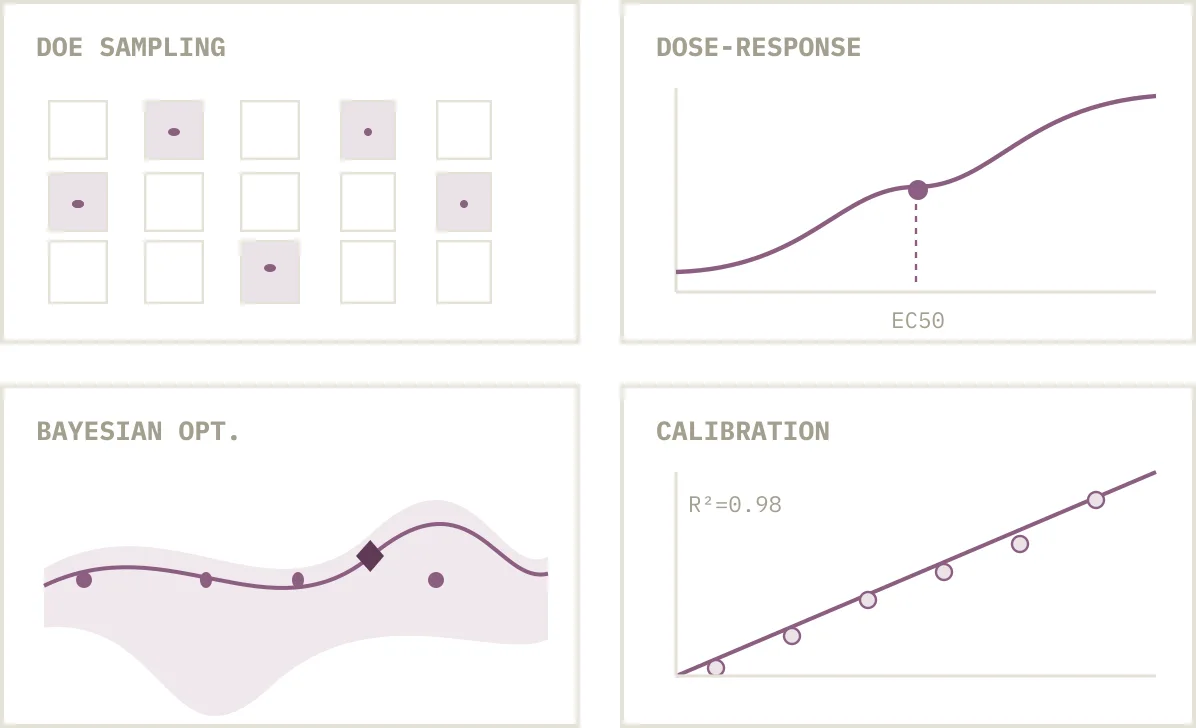
Potato applies quantitative methods directly instead of asking a language model to improvise the math. Depending on the workflow, this can include design of experiments, Latin hypercube or factorial sampling, Bayesian optimization, assay-performance metric computations, dose-response modeling, calibration, and dilution calculations.
The methods operate on laboratory-usable values: defined units, practical increments, approved ranges, candidate conditions, and plate capacity.
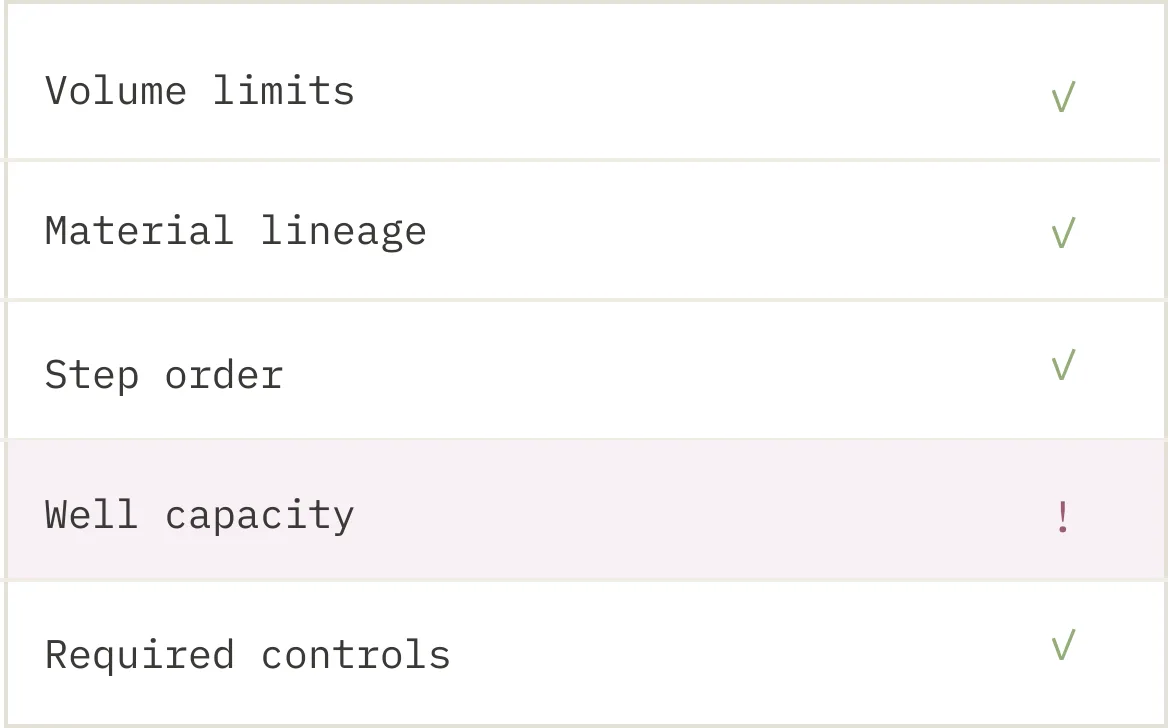
Potato creates structured representations of scientific workflows and checks whether the pieces remain internally consistent. Verification systems can test calculations, material lineage, source availability, volume limits, well capacity, step order, required controls, and other relationships that should agree before work proceeds.
For source-backed research, provenance provides another form of verification by connecting claims and protocol details to specific documents and excerpts.
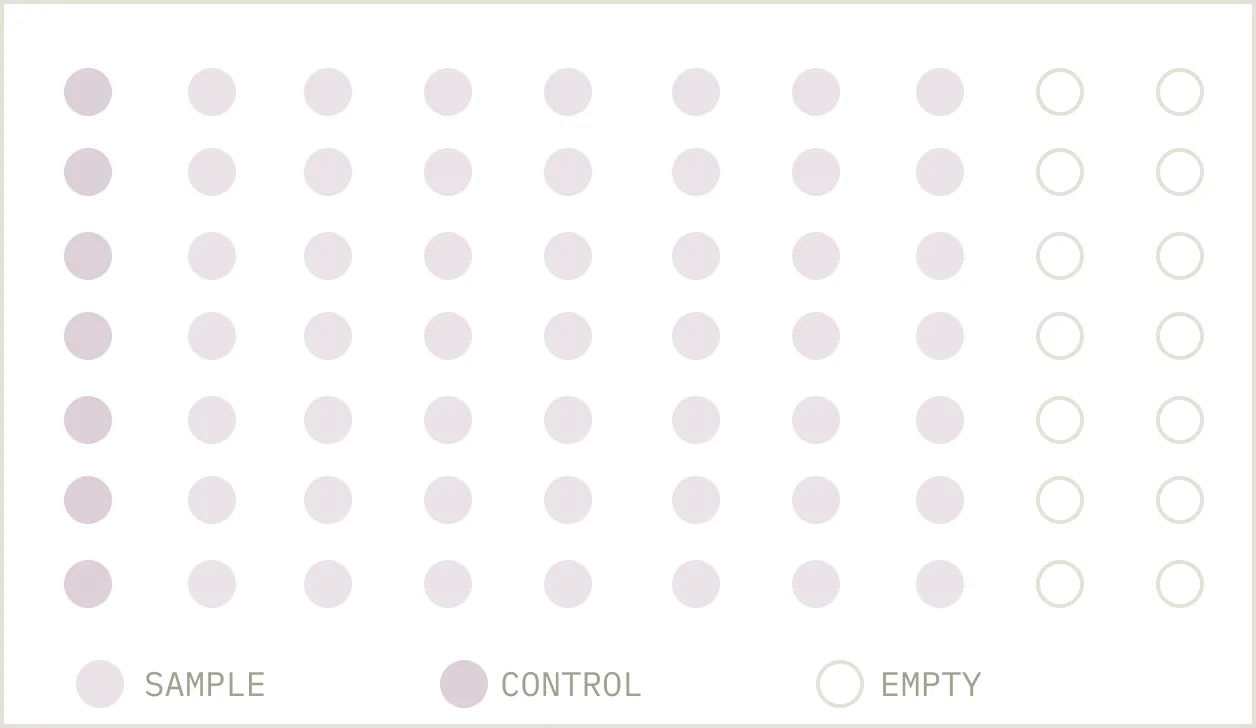
Before an executable workflow reaches the lab, Potato can model what will happen in the physical system. Liquid movements update available volumes and compositions. Plate layouts account for controls, replicates, standards, and usable capacity. Automation plans can be checked against labware, deck, module, pipette, and instrument constraints.
Simulation exposes impossible transfers, insufficient material, capacity conflicts, and execution failures while the experiment can still be revised.
Across Potato, the same technical foundation supports different portions of the scientific workflow. The level of modeling, verification, and simulation depends on the tool and how close the output is to execution.
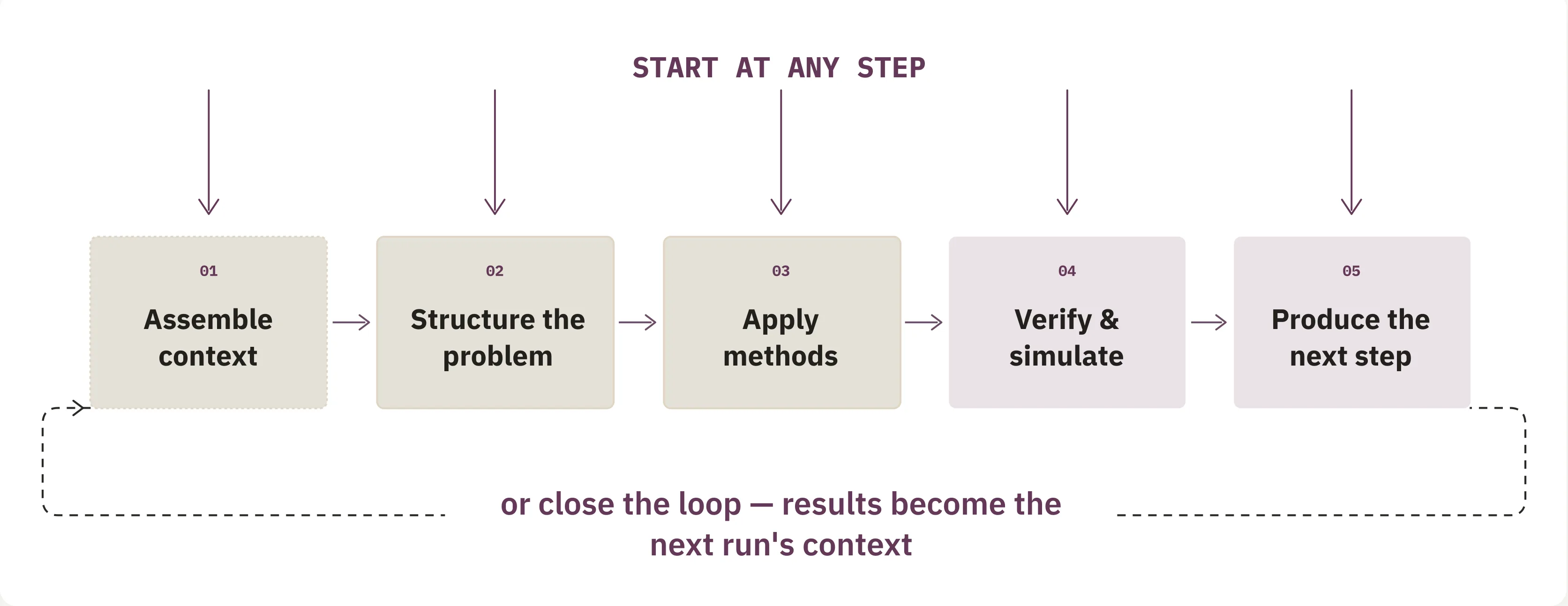
Bring together the relevant scientific questions, papers, protocols, prior data, goals, assumptions, and local constraints.
Represent factors, ranges, materials, controls, readouts, units, decision points, and physical limits in a form the system can work with.
Use scientific defaults and quantitative methods to compare evidence, develop a plan, explore interacting variables, or prioritize informative experimental conditions.
Check internal consistency, calculations, material flow, capacity, step order, and execution constraints at the level required by the workflow.
Generate source-backed research, plans, protocol drafts, parameter tables, plate maps, worklists, or automation-ready files. Keep results tied to the conditions that produced them so the next decision starts from what actually happened.
Each Potato tool uses the parts of this architecture that fit the scientific task in front of the user.
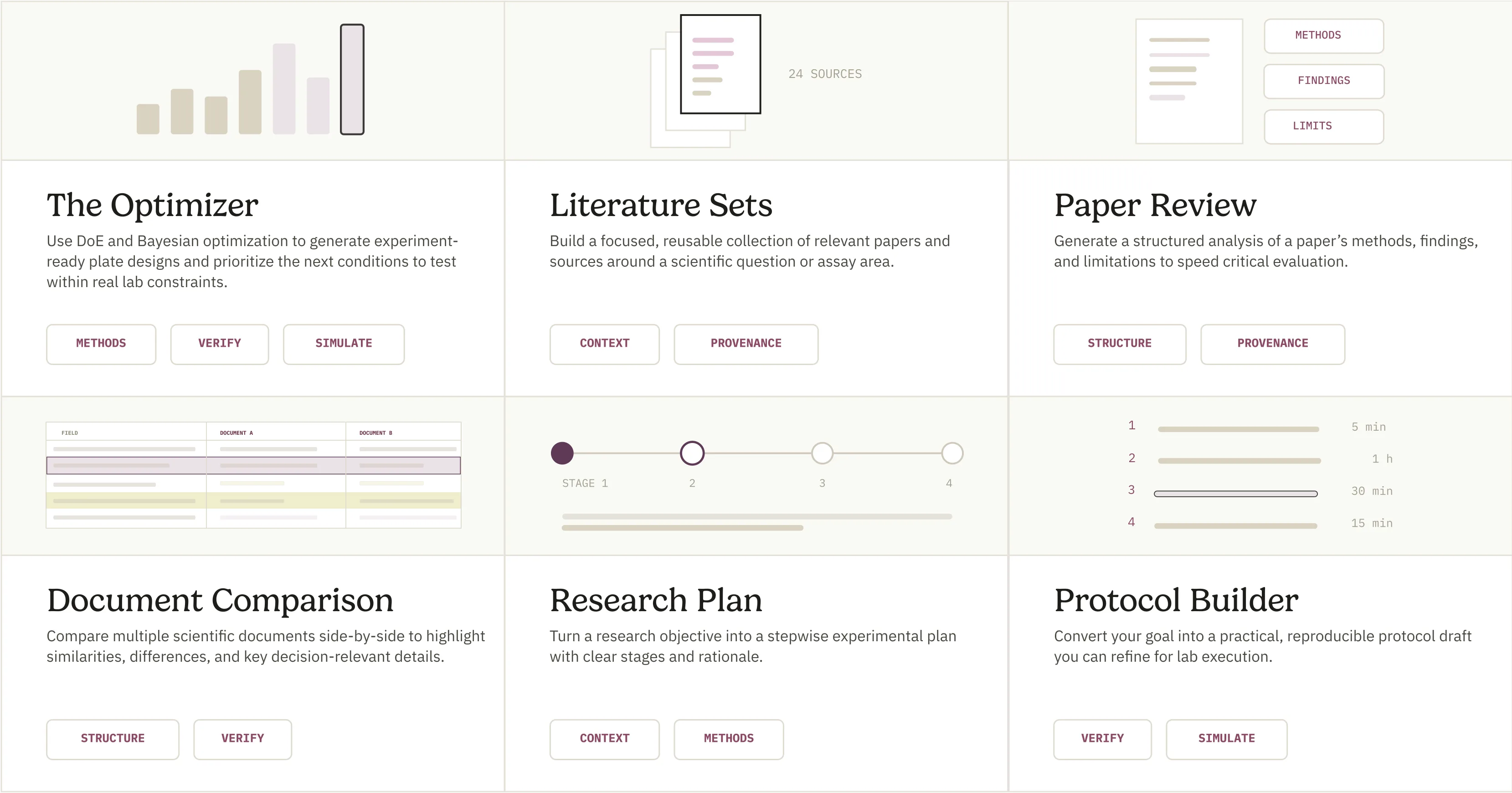
Use DoE and Bayesian optimization to generate experiment-ready plate designs and prioritize the next conditions to test within real lab constraints.
MethodsVerifySimulateBuild a focused, reusable collection of relevant papers and sources around a scientific question or assay area.
ContextProvenanceGenerate a structured analysis of a paper’s methods, findings, and limitations to speed critical evaluation.
StructureProvenanceCompare multiple scientific documents side-by-side to highlight similarities, differences, and key decision-relevant details.
StructureVerifyTurn a research objective into a stepwise experimental plan with clear stages and rationale.
ContextMethodsConvert your goal into a practical, reproducible protocol draft you can refine for lab execution.
VerifySimulateEach Potato tool uses the parts of this architecture that fit the scientific task in front of the user.
You retain rights to your uploads and generated outputs.
Your content is available only to the people you authorize.
Paid customer uploads and outputs are not used to train or improve AI models.
Start with a paper, a protocol, a research question, or a plate-based assay. Potato helps structure the context, apply the appropriate scientific methods, and produce a next step you can inspect.
Get started with Potato